THE VILLAGE PUBLIC HEALTH
Training Center
The nonprofit 501(c)(3) arm of Village Public Health, building a nonclinical youth mental health workforce through peer-led, community-based training, placement, and support systems. Our health educators work upstream of crisis, preventing problems before they require clinical intervention.
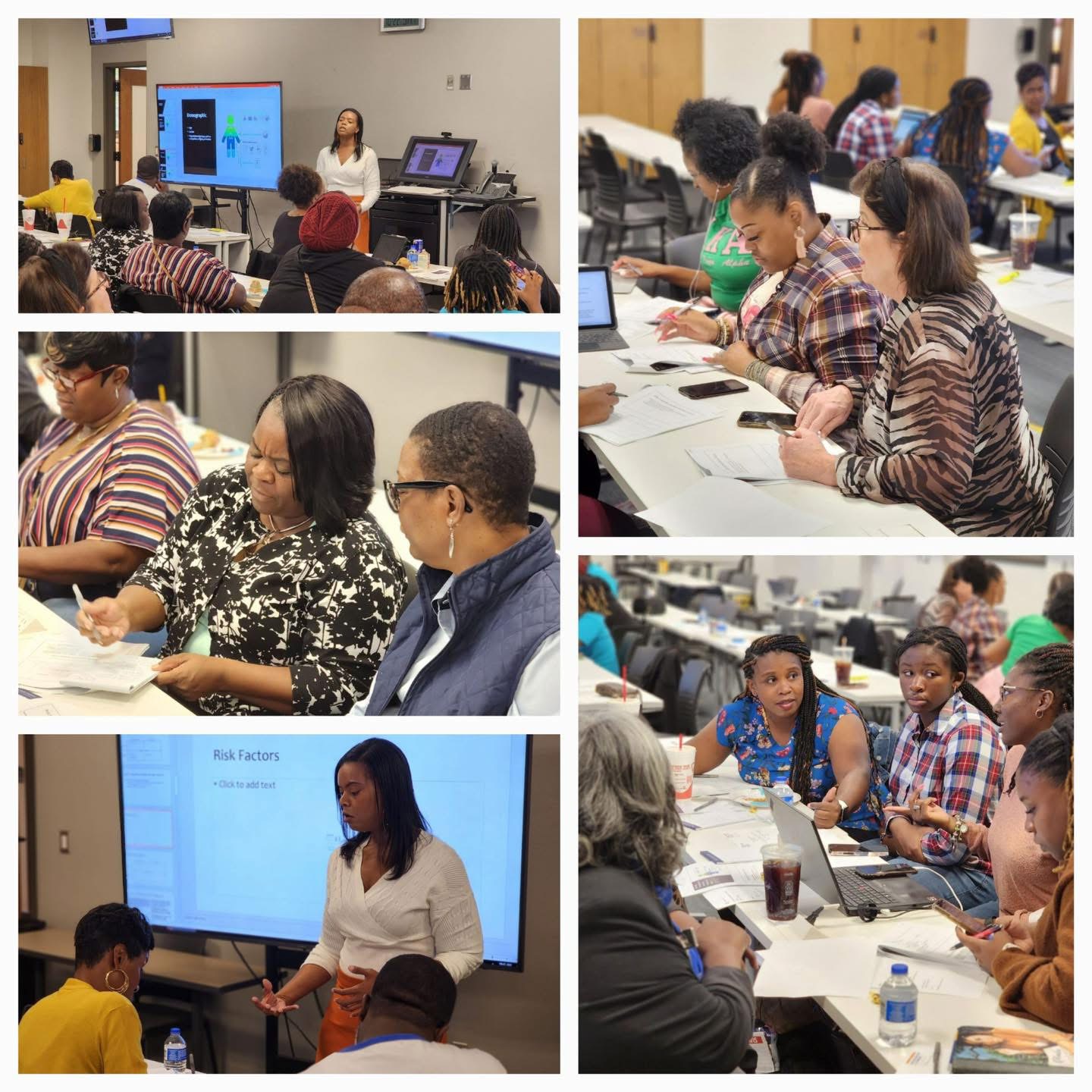
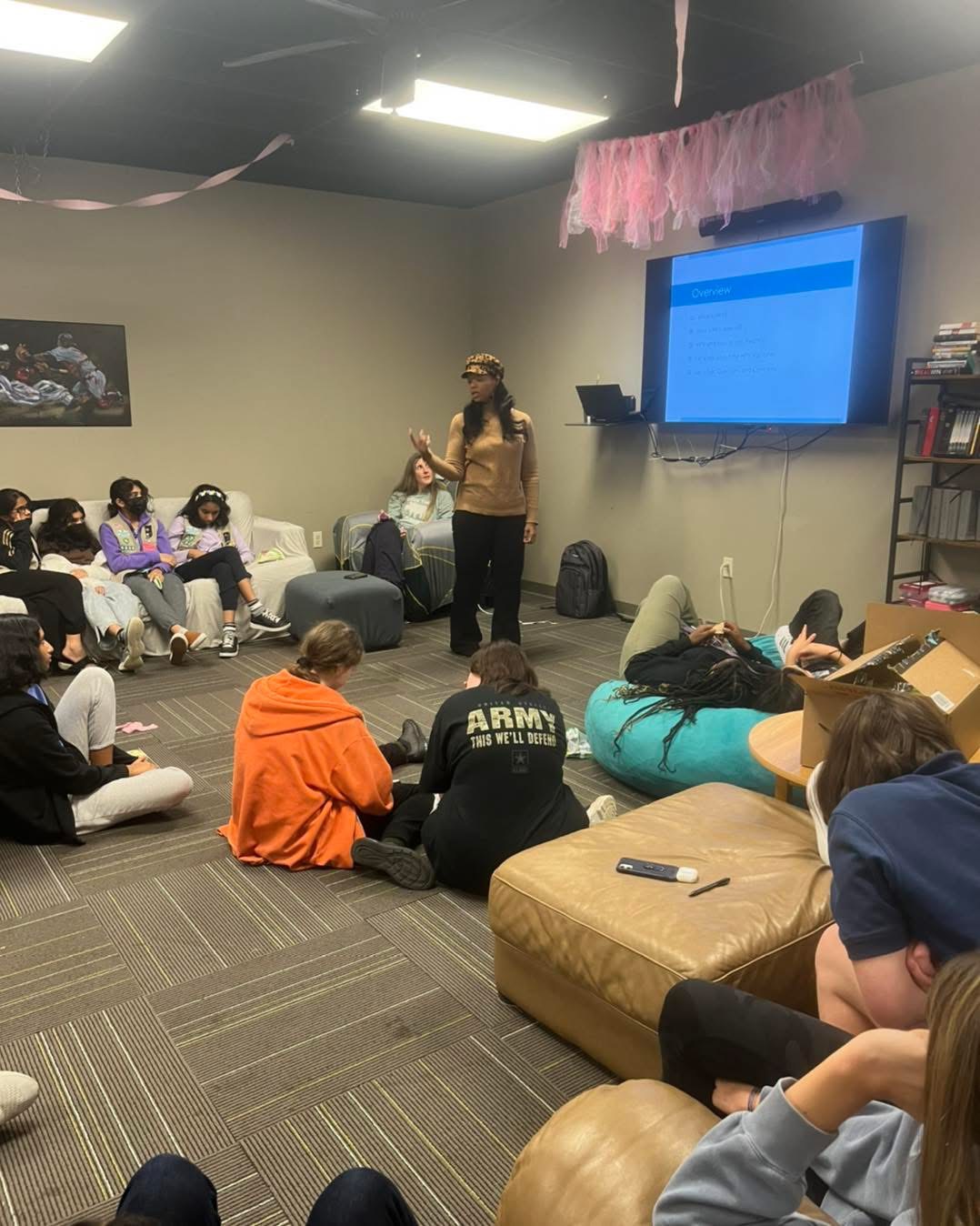
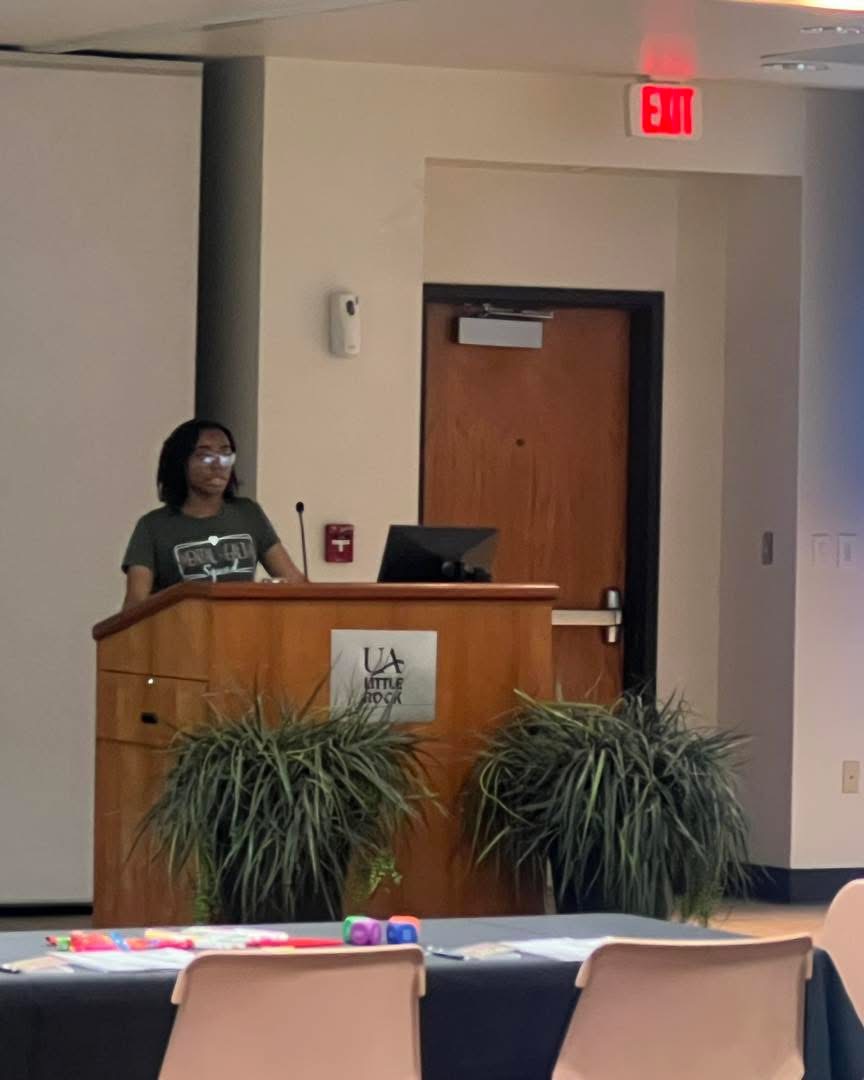
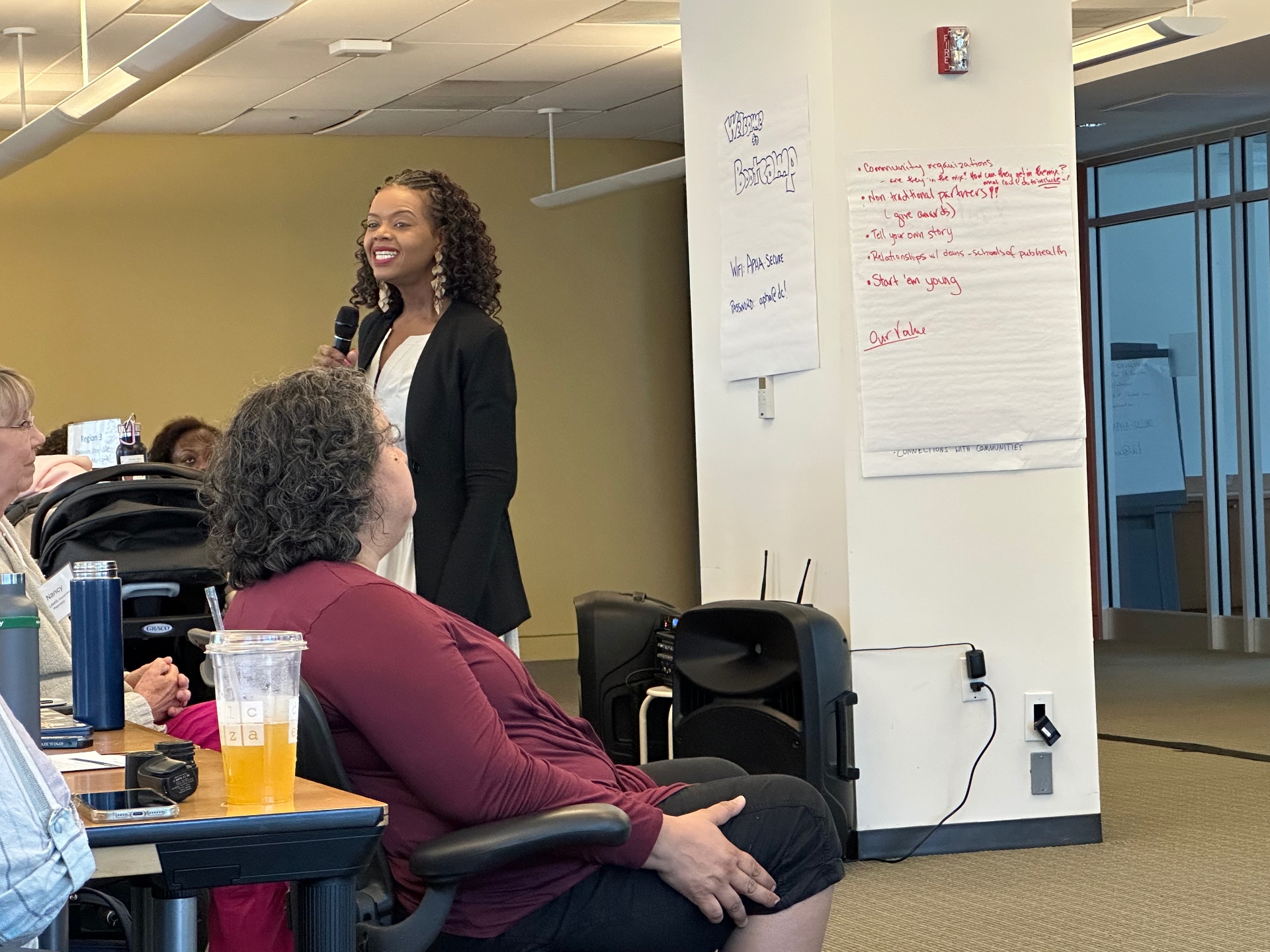
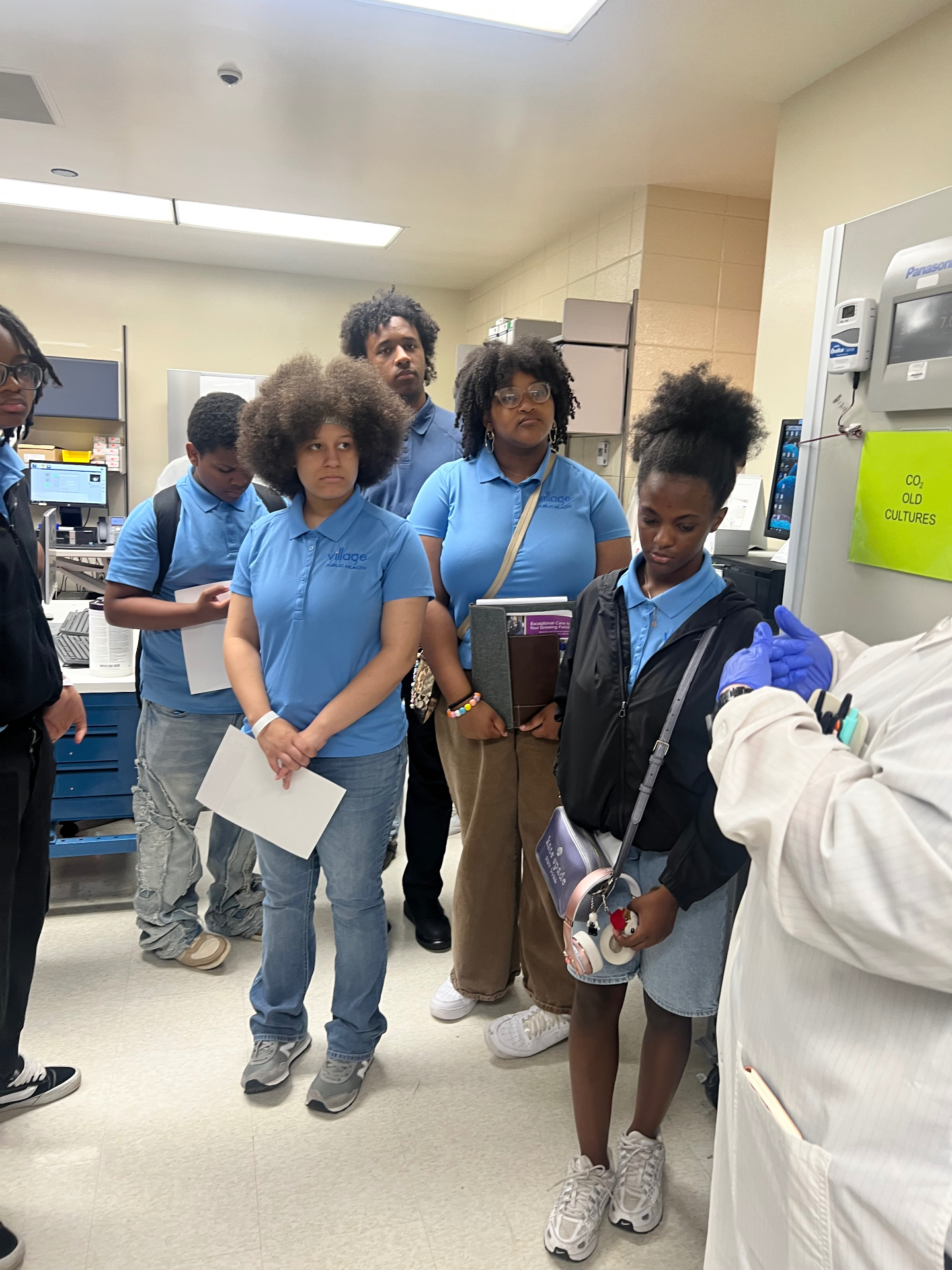
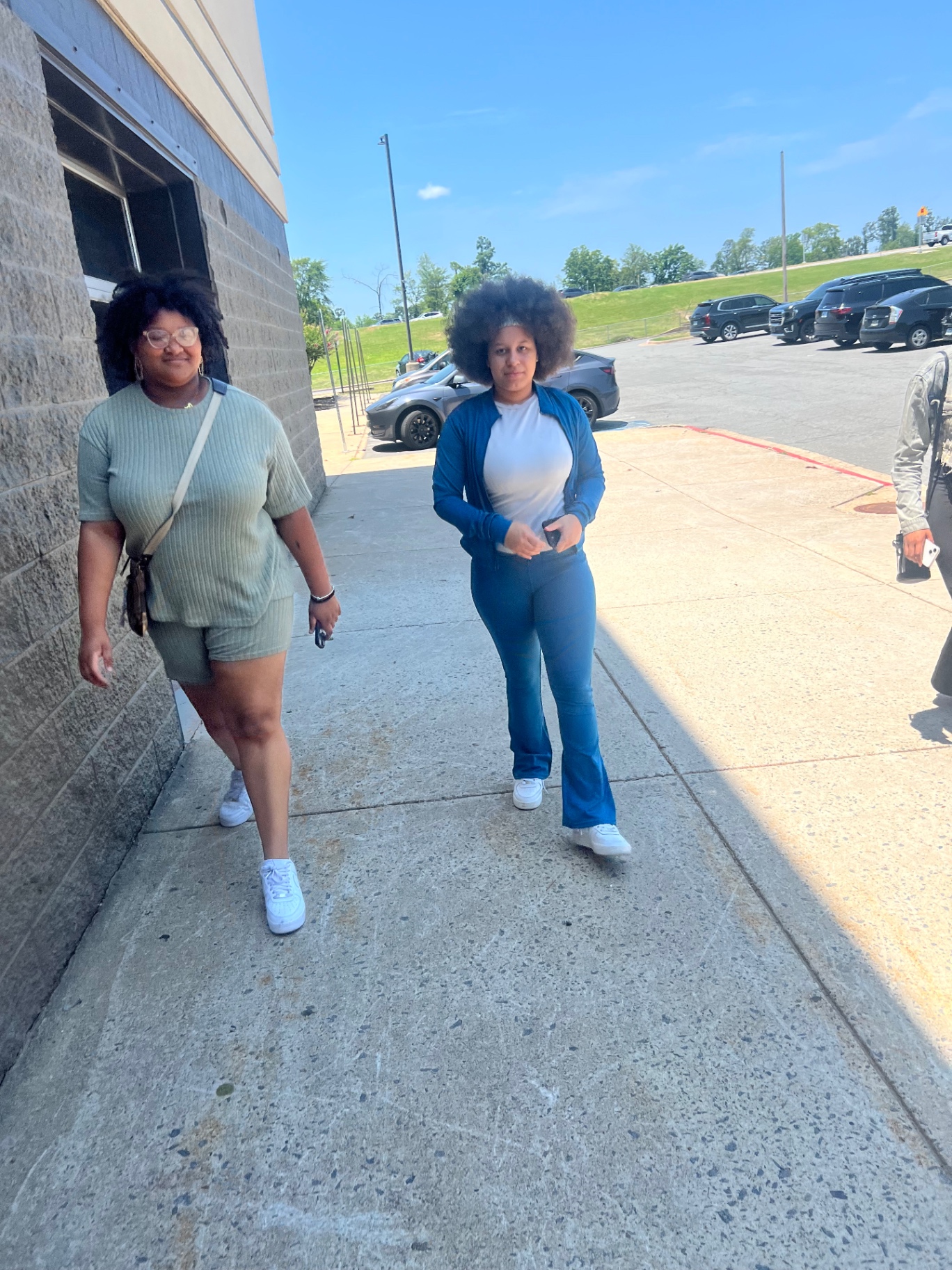
BUILDING A NONCLINICAL WORKFORCE
We develop and sustain a nonclinical youth mental health workforce through peer-led, community-based training, placement, and support systems. Our health educators work upstream of crisis, preventing problems before they require clinical intervention.
WHAT IS A HEALTH EDUCATOR?
A health educator is a trained professional who helps individuals and communities build the knowledge, skills, and confidence needed to make informed health decisions. Unlike clinicians who diagnose and treat, health educators focus on prevention, education, and promotion. They create workshops, facilitate conversations, design outreach campaigns, and connect people to resources before a crisis occurs.
OUTREACH AND EDUCATION
Health educators go into schools, community centers, and events to deliver accessible, evidence-based health information where people already are.
PREVENTION FIRST
Rather than treating illness, health educators teach skills like stress management, healthy relationships, and decision making to prevent problems before they start.
PEER-LED CONNECTION
Many health educators are peers themselves, young people trained to support their own communities with culturally relevant, relatable guidance.
BRIDGE TO CLINICAL CARE
When someone does need clinical support, health educators serve as a trusted bridge, helping navigate referrals, reduce stigma, and ensure follow-through.
WHY NONCLINICAL matters
1 in 5
youth experience a mental health condition, but less than half receive any treatment.
NAMI, 2024
80%
of youth mental health needs can be addressed through prevention, education, and early support before clinical intervention is required.
WHO, 2023
3x
more likely to seek help when a peer or trusted nonclinical adult is the first point of contact rather than a clinical provider.
SAMHSA
6
Certified Training Programs
CHES
Certified Health Education Specialist
tMHFA
Teen Mental Health First Aid Instructor
AR
Arkansas Based, Nationally Available
OUR purpose
OUR MISSION
The Village Public Health Training Center develops and sustains a nonclinical youth mental health workforce through peer-led, community-based training, placement, and support systems. We prepare the next generation of health educators and public health leaders by providing accessible, evidence-based training that equips youth, families, and community partners with the knowledge, skills, and confidence to lead healthier lives and strengthen their communities, all without requiring clinical licensure.
OUR VISION
We envision communities where every young person is supported by a strong, informed village, where prevention is prioritized, wellness is holistic, and individuals are equipped to lead, advocate, and build healthier futures for themselves and those around them.
THE "For You, By You" FRAMEWORK
Inspired by the spirit of FUBU, the iconic brand built on the principle of "For Us, By Us", our framework carries that same DNA into public health. Just as FUBU created something authentic for the community it represented, our "For You, By You" model centers adolescents and young adults in every solution. We do not do things to young people; we do things alongside them. Youth are not just part of the program, they are part of the solution. This peer-to-peer model is how we ignite hope, instill confidence, and inspire possibility.
FOR YOU
Programs designed with youth input from day one. These are not top-down curricula imposed on communities. They are co-created solutions that reflect real lived experiences.
BY YOU
Young people do not just participate; they lead. As peer educators, facilitators, and ambassadors, youth drive the change in their own communities.
WITH YOU
We walk alongside adolescents and young adults, not ahead of them. Every program is built on partnership, not paternalism.
THROUGH YOU
The ripple effect. Trained youth become the next generation of public health leaders, carrying knowledge forward to families, schools, and communities.
WHY THIS MATTERS: COUNTY HEALTH RANKINGS
Our work is grounded in data. The County Health Rankings and Roadmaps program, a collaboration between the Robert Wood Johnson Foundation and the University of Wisconsin Population Health Institute, measures the health of nearly every county in the United States. Arkansas counties consistently rank among the lowest in health outcomes, driven by high rates of youth mental health challenges, limited access to care, and socioeconomic disparities. These rankings validate why prevention-first, community-centered approaches like ours are essential.
We use county-level data to identify the communities with the greatest need and tailor our evidence-based programming accordingly. When we say we meet people where they are, we mean it, geographically, culturally, and in terms of health equity.
VIEW ARKANSAS COUNTY HEALTH RANKINGS"Igniting Hope. Instilling Confidence. Inspiring Possibility."
WHY TRAIN WITH the Training Center?
We don't just teach information, we ignite transformation.
Certified & Evidence-Based
All trainings are backed by research and nationally recognized frameworks.
Culturally Responsive
Content designed for diverse communities with an equity-centered lens.
Flexible Delivery
Available in-person, virtually, or hybrid, we come to you.
Real-World Application
Interactive, scenario-based learning you can apply immediately.
SERVICE LEARNING OPPORTUNITIES
The Training Center provides meaningful service learning experiences that connect classroom knowledge with real-world public health impact. Students and emerging professionals gain hands-on experience in community health education, outreach, and wellness programming, building the skills and confidence to drive meaningful change.
TRAINING PROGRAMS
Igniting Hope. Instilling Confidence. Inspiring Possibility in every professional we train.
Certified, evidence-based training for educators, organizations, and youth-serving professionals.
YOUTH MENTAL HEALTH FIRST AID
Nationally Certified · 8 Hours · For Adults Serving Youth
A nationally certified, evidence-based 8-hour training designed for adults who regularly interact with young people ages 12 to 18. Participants learn to identify, understand, and respond to signs of mental health and substance use challenges in youth, including anxiety, depression, psychosis, eating disorders, and substance use. The curriculum teaches the ALGEE 5-step action plan for offering initial support and connecting young people to appropriate care. Certified by the National Council for Mental Wellbeing. Training can count toward LEARNS Act service hours.
WHAT YOU'LL LEARN
- Recognize signs of anxiety, depression, psychosis, eating disorders, and substance use in youth
- Apply the evidence-based ALGEE 5-step action plan
- Earn a nationally recognized 3-year certification from the National Council for Mental Wellbeing
- Access follow-up resources and a community of practice for continued learning
Audience: Educators, coaches, school staff, youth-serving professionals, parents and caregivers
QPR SUICIDE PREVENTION
Gatekeeper Training · 2 Hours
Question, Persuade, Refer, the three steps anyone can learn to help save a life. This evidence-based gatekeeper training teaches you to recognize warning signs and connect people to help.
WHAT YOU'LL LEARN
- Recognize verbal, behavioral, and situational warning signs
- Ask directly about suicidal thoughts with confidence
- Persuade someone to seek help and make a safety plan
- Refer to appropriate resources and follow up
Audience: Anyone who interacts with at-risk youth or adults
TRAUMA-INFORMED CARE
Organizational Development · 4–8 Hours
Understand how trauma impacts behavior, learning, and relationships. Build organizational practices that promote safety, trust, and the ability for both staff and the communities you serve to recognize and elevate their power.
WHAT YOU'LL LEARN
- Understand ACEs (Adverse Childhood Experiences) and their long-term effects
- Implement trauma-informed policies and communication
- Reduce re-traumatization in service delivery
- Create environments of psychological safety
Audience: Schools, nonprofits, government agencies, healthcare orgs
CULTURAL COMPETENCY IN HEALTH
DEI & Health Equity · 4 Hours
Develop the skills to provide equitable, culturally responsive services. Explore implicit bias, health disparities, and practical strategies for inclusive engagement across diverse communities.
WHAT YOU'LL LEARN
- Identify implicit biases and their impact on service delivery
- Apply culturally responsive communication strategies
- Address health disparities with actionable frameworks
- Build inclusive practices for diverse populations
Audience: Healthcare providers, educators, social workers, HR teams
DE-ESCALATION & CRISIS RESPONSE
Conflict Resolution · 4 Hours
Learn verbal and non-verbal techniques to safely de-escalate volatile situations. Practice scenario-based responses that prioritize safety, dignity, and positive outcomes.
WHAT YOU'LL LEARN
- Recognize escalation stages and early warning signs
- Apply verbal de-escalation techniques in real time
- Maintain personal safety while supporting others
- Develop post-incident debriefing protocols
Audience: School staff, security, youth workers, frontline staff
HEALTHY RELATIONSHIPS EDUCATION (FACILITATOR)
Train-the-Trainer · 8 Hours
Equip your team to deliver age-appropriate, evidence-based healthy relationships education. Covers consent, communication, dating safety, STI/HIV prevention, and values-based decision-making frameworks.
WHAT YOU'LL LEARN
- Facilitate conversations about healthy relationships with confidence
- Use medically accurate, age-appropriate curriculum
- Navigate sensitive topics and parent concerns
- Access ready-to-use lesson plans and materials
Audience: Educators, mentors, youth program facilitators
CUSTOM TRAINING PACKAGE
Tailored to Your Org · Flexible
Need something specific? We design custom training packages based on your organization's needs, population, and goals. From half-day workshops to multi-week intensives.
THE VILLAGE PUBLIC HEALTH TRAINING CENTER
501(c)(3) Nonprofit · EIN: 93-1701910 · The nonprofit workforce development & service learning arm of Village Public Health