SURGEON GENERALYouth mental health is the defining public health issue of our time.·CDCSuicide is the 2nd leading cause of death for ages 10–24.·YRBS42% of high schoolers report persistent sadness.·NAMI11-year average wait from symptoms to treatment.·ARKANSAS · MHA56% of youth with depression go untreated.·SURGEON GENERALYouth mental health is the defining public health issue of our time.·CDCSuicide is the 2nd leading cause of death for ages 10–24.·YRBS42% of high schoolers report persistent sadness.·NAMI11-year average wait from symptoms to treatment.·ARKANSAS · MHA56% of youth with depression go untreated.·
Elevating Power. A prevention first look at what happens when the village waits to react instead of responding upstream.
EST. IN COMMUNITY·LITTLE ROCK, AR·YOUTH MENTAL HEALTH PREVENTION
ESTABLISHED IN COMMUNITY· PRINTED WITH PURPOSE ·FOR US, BY US
📍 LITTLE ROCK, AR★ PUBLIC HEALTH LENS ★PASS IT ON
RESPONSE AFTER HARM vs. PREVENTION BEFORE CRISIS
A CURFEW WON'T HEAL What's Hurting Our Kids.
After the River Market shooting, the city locked the night down. But the silence in our children was already there, long before 10 p.m.
BY DR. Q MUMFORD · FOUNDER, VPH
On Saturday, April 11, , sending a 21 year old to the hospital, scattering families, and leaving teenagers running into the night. By Tuesday, the Little Rock City Board had , beginning that Friday. The emergency response was visible; the emotional aftermath for our young people was quieter, longer, and far easier to miss.
A curfew is one tool among many. Think of it as a fence placed around a wound. It can hold the moment, yet it does not stitch what is bleeding underneath. Our young people are not a security problem to be contained between 10 p.m. and 5 a.m. They are children carrying grief, anxiety, and the weight of what they have witnessed. Many of the adults in their lives love them deeply. Recognizing distress, however, is a learned skill. It calls for training, ongoing support, and the personal space to process one's own experiences, including unexamined bias, so that another person's pain does not get missed. Ask any teacher in Pulaski County. Ask any coach, any pastor, any auntie at the bus stop. The question is no longer whether our kids are struggling. The question is who is ready when they finally say so.
This is what systems thinking invites us to do: zoom out. A shooting downtown is not only a crime story. It is the visible tip of a much deeper iceberg made of untreated trauma, disconnection, poverty, and isolation. Curfews, arrests, and emergency rooms are downstream interventions. They engage only after the harm has happened. : violence and suicide are preventable public health problems, and the most effective response is upstream, building protective factors before crisis arrives.
America is in the middle of a youth mental health crisis the . . and the day they finally receive care, a finding rooted in the landmark . Eleven years. That is an entire childhood spent waiting to be seen.
FIG. 02 · HOW THE ELEVEN YEAR DELAY WAS DERIVEDSOURCE: KESSLER & WANG · NCS-R · 2005
1
SYMPTOM ONSET
AGE 14
Median age first symptoms of any mental disorder appear.
2
FIRST TREATMENT CONTACT
MEDIAN 6 TO 23 YEARS LATER
Median delay from onset to first professional contact, by disorder. Anxiety: up to 23 years. Mood: 6 to 8 years.
3
POPULATION AVERAGE
11 YEARS
The figure NAMI cites: the cross disorder average delay between symptom onset and treatment in the United States.
METHOD:Both findings come from the National Comorbidity Survey Replication (NCS-R), a nationally representative face to face survey of 9,282 U.S. adults conducted by Harvard Medical School and the U.S. National Institute of Mental Health. Kessler and colleagues established the median age of onset; Wang and colleagues measured the lag to first treatment contact across DSM-IV disorders. NAMI's "11 years" averages those disorder specific delays into a single, plain language figure used in public education.
"We do not have a shortage of caring adults. We have a shortage of adults who have been equipped, supported, and given space to do their own healing, so they can show up ready when a young person reaches out."
In Arkansas, at all. Our state ranks among the lowest in the nation for access to youth behavioral health care. In March, specifically because demand from teens kept climbing. The hands reaching out are there. The hands reaching back are still being built.
Prevention first means we do not wait for the 911 call. : every $1 invested in evidence based prevention returns $2 to $10 in avoided costs from emergency care, incarceration, lost productivity, and lost lives. The most cost effective intervention we have is a trusted, prepared adult inside a young person's everyday life, at the school, the gym, the church, the corner store. That is the gap a nonclinical, peer led workforce was designed to fill. Youth Mental Health First Aid (YMHFA) teaches the ALGEE 5 step action plan. It does not turn parents, coaches, and youth workers into therapists. It prepares them to be the trusted first responders our young people are already looking for.
Village Public Health did not wait for a grant or a line item to begin this work. With donated time, peer trainers, and partners who said yes, we have been quietly building this workforce in living rooms, school hallways, barbershops, and church basements across Arkansas. Imagine what becomes possible when the rest of the village joins in.
"If we keep responding to a public health crisis with a public safety playbook, we will keep getting the outcomes we are getting. Curfews close the night. Prevention opens the future."
PUBLIC HEALTH FRAME
★ THE PIVOT ★
What Happens When The Village Waits To React vs. Responds Upstream.
FIG. 01 · PUBLIC HEALTH BLOCK MAP
Pick an outcome below. See what it costs the village when we wait to react, and what changes when we respond upstream first.
THE VILLAGE PUBLIC HEALTH FRAMEWORK
Streetlights Come On First. Porch Lights Make The Difference.
When systems and community work together, our youth thrive. Streetlights are set by the city; porch lights are turned on by someone who knows your name. Both are needed. Both save lives.
FIG. 01 · A WHOLE VILLAGE APPROACH
BEAT THE STREETLIGHT HOME.
ONE HOUSE · ONE GRANDMOTHER · ONE PORCH LIGHT STILL ON
FIG. 01 · ONE BLOCK · TWO LIGHTS · 2026TAP ANY GLOW TO READ ITS ROLE.
★ THE ANCHOR ★
Both Are Needed. Both Save Lives.
The goal is not to choose one over the other; it is to connect them so the streetlight sets the boundary and the porch light builds the relationship. Together, they create safety, belonging, and opportunity.
STREETLIGHTS · THE SYSTEM
City. Policy. Structure.
Set by the city. Same for everybody. Not personal. Signals a rule.
WHAT IT LOOKS LIKE
Policies and laws
Curfews
School rules
Juvenile justice
Emergency response
ROLE · DOWNSTREAM / MIDSTREAM
Tells us when something needs to change. Responds to risk or harm. The streetlight signal: tells us what time it is. It is time to come in.
PORCH LIGHTS · THE COMMUNITY
People. Relationships. Culture.
Turned on by someone who knows you. Personal. Relational. Reinforced with care and correction.
WHAT IT LOOKS LIKE
Trusted adults
Family structure
Community accountability
Mentorship
Cultural norms
ROLE · UPSTREAM
Shapes behavior before systems have to step in. The porch light invitation: tells us who we belong to. A place to learn, grow, and be guided.
A WHOLE VILLAGE APPROACH
Sealed with a pinky promise.
SIX PROMISES · ONE BLOCK AT A TIME
THE PACT:We promise to leave our porch lights on. We promise to learn each other's names. We promise to show up before the sirens do. Sealed pinky to pinky, neighbor to neighbor.
I am committed to igniting hope, inspiring possibilities, and instilling confidence for a promising future. I believe in the power of dreams and the strength of community. Whether big or small, I promise to make a difference in shaping a world where hope shines brightly, possibilities are endless, and confidence leads the way.
★ EVERY DAY, WE STRIVE TO:
By fostering a supportive environment where every individual feels valued and empowered to overcome challenges.
Through innovative solutions and creative thinking, we open doors to new opportunities and help turn aspirations into reality.
Equip young people with the tools and support they need to believe in themselves and shape their future.
★ OUR VISION
Every child is seen. Every child is valued. Every child has what they need to thrive.
★ OUR PROMISE
We light the way with systems. We lift the way with community. Together, we change outcomes.
★ OUR CALL TO ACTION
Be the porch light. Build the village. Change a life.
keep the porch light on. keep moving upstream.
PREVENTION ACTIONCERTIFICATION · MAY 15 & 23
$170 YMHFA CERTIFICATION, Now Free for May.
CERTIFICATION · MAY 15 & 23 · OFFERED FREE BY VILLAGE PUBLIC HEALTH
Village Public Health is offering nationally-certified Youth Mental Health First Aid training — a $170 value — completely free this May to any adult who interacts with youth ages 12 to 18. Two virtual sessions: 2 hours self-paced prework plus a 4.5-hour live Zoom intensive. Walk away with the ALGEE 5-step action plan and the confidence to use it.
MAY 15, 2026
10 AM – 2:30 PM CST · Live Zoom
MAY 23, 2026
10 AM – 2:30 PM CST · Live Zoom
LIVE COLUMNWEDNESDAYS · 12 PM CST · FB LIVE
ON THE PORCH with Dr. Q.
A FIVE-WEEK LIVE SERIES · MAY 7 – JUNE 4
YOUR HOST
DR. Q MUMFORD
Public Health Practitioner. Prevention Educator. CHES. Single mom on the same parenting journey she's coaching you through.
Five Wednesdays. Five real conversations. No script, no jargon, no judgment. Each week, Dr. Q goes live on Facebook to talk through the moments that keep parents and youth workers up at night — from social media spirals to silent struggles to "I don't know what to say next."
"I'm not here to lecture you. I'm here to walk with you."
Free. Public. Replay-able. Bring a coffee, a question, and a friend.
★ A CALL TO ACTION ★
BE THE ADULT you needed WHEN YOU WERE YOUNG.
100% free · 4.5 hours · nationally certified
TRAINING REGISTRATIONFree YMHFA Certification
FREE · LIMITED SEATS
CLAIM YOUR free seat.
Pick a session, fill out the form, and we'll send your Zoom link plus the 2-hour pre-work module.
ON THE PORCH SCHEDULE
Weekly Facebook Live Series
FIVE WEDNESDAYS · MAY 7 – JUNE 4 · 12 PM CST
ON THE PORCH with Dr. Q.
Tune in live on Facebook. Replays available. Bring a question, leave with a plan.
01
WEEK 1
MAY 7, 2026
HIGH-ACHIEVING SINGLE PARENTS & THE MENTAL GAME
▸The unseen mental load
▸Decision fatigue
▸Responding, not reacting
▸You are not alone
02
WEEK 2
MAY 14, 2026
WHEN THE MENTAL LOAD MEETS YOUR CHILD'S BEHAVIOR
▸Why behavior is not always defiance
▸Understanding stress and dysregulation
▸Staying calm when everything feels heavy
03
WEEK 3
MAY 21, 2026
COMMUNICATION UNDER PRESSURE
▸How stress impacts how we talk
▸When kids shut down
▸Listening vs lecturing
▸Building connection that lasts
04
WEEK 4
MAY 28, 2026
RESETTING THE ENVIRONMENT AT HOME
▸Structure as support
▸Small shifts that reduce stress
▸Creating consistency
▸Building a home where kids can thrive
05
WEEK 5
JUNE 4, 2026
BUILDING MORE GOOD DAYS ON PURPOSE
▸Letting go of perfection
▸Focusing on progress
▸What kids actually remember
▸Choosing connection every time
Set your reminder. Follow Village Public Health on Facebook every Wednesday at 12:00 PM CST.
ON THE PORCH
Real Faces. Real Work.
The street lights belong to the city. The porch light belongs to us.
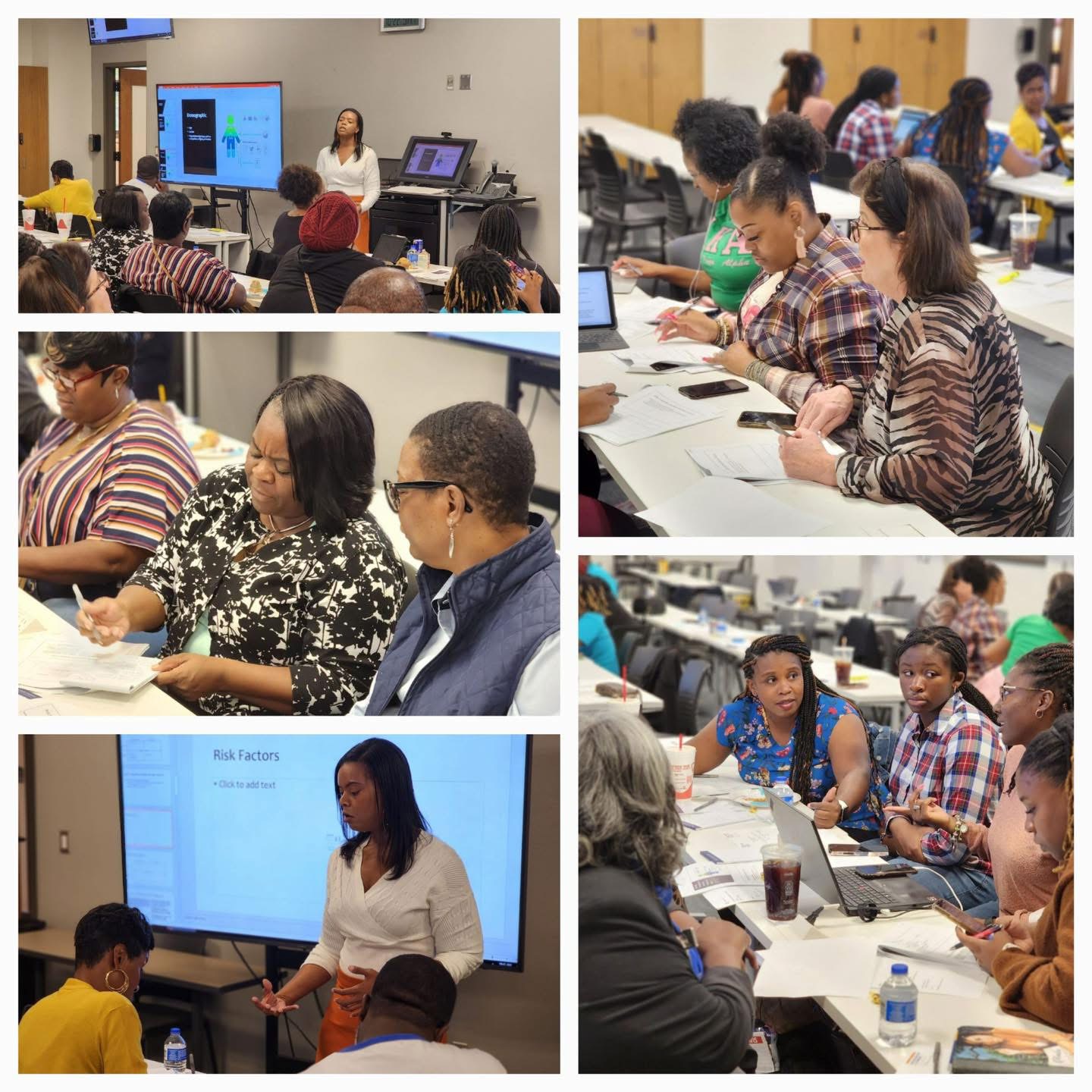
No stock photography. No staged smiles. These are the trained adults, youth ambassadors, and families already doing the upstream work in Little Rock and beyond.
YMHFA cohort · Little Rock
"Trained adults are the intervention."
01
Community session · Pulaski County
"It takes a village — and we mean it literally."
02
Dr. Q Mumford · UA Little Rock
""We don't need more crisis. We need more capacity.""
03
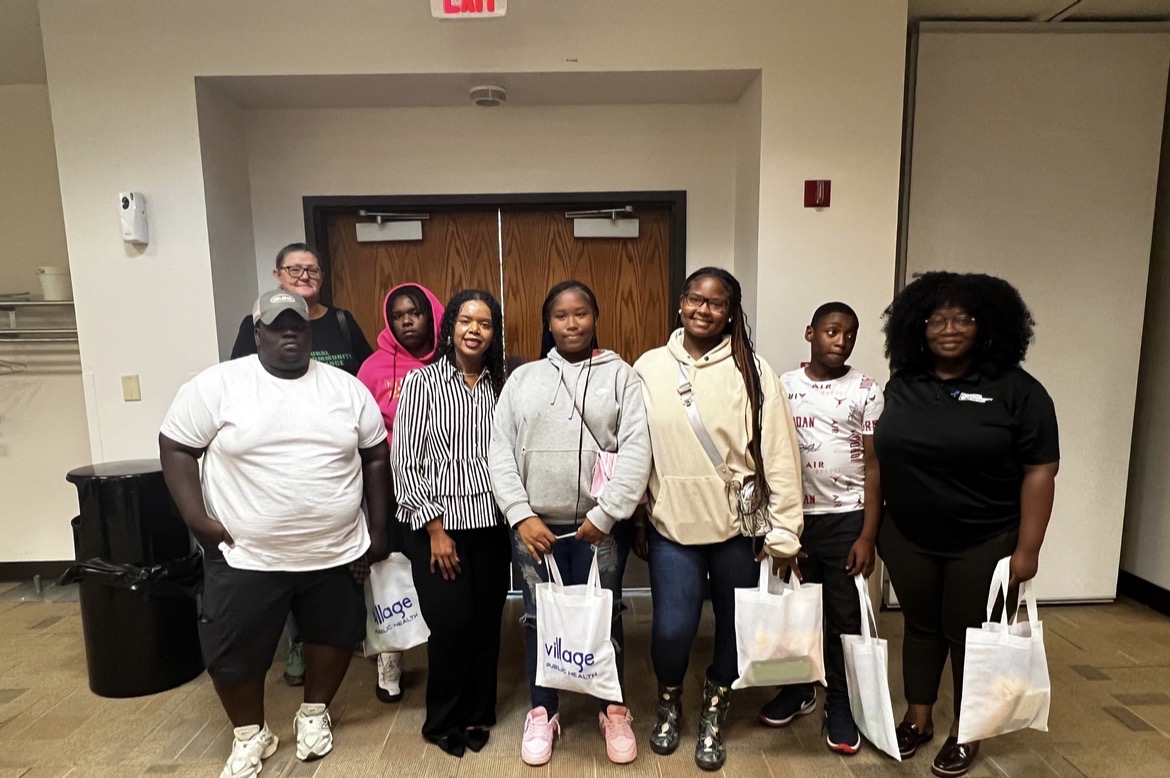
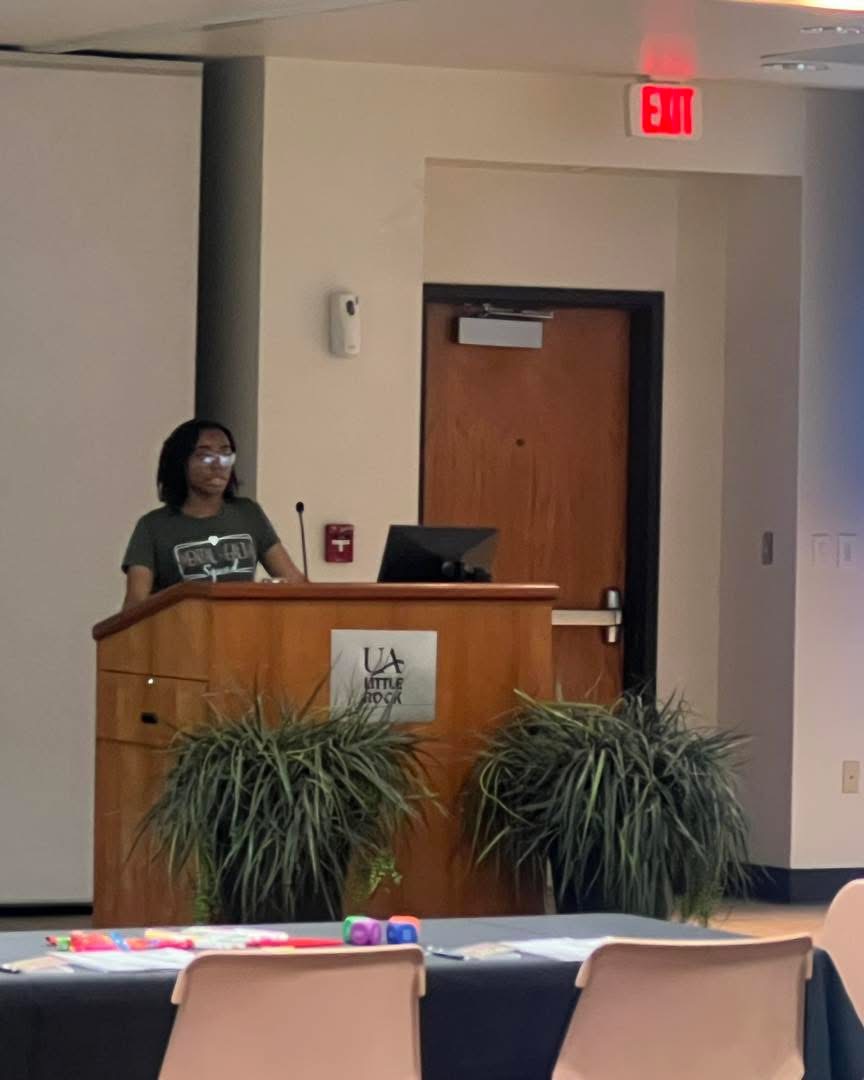
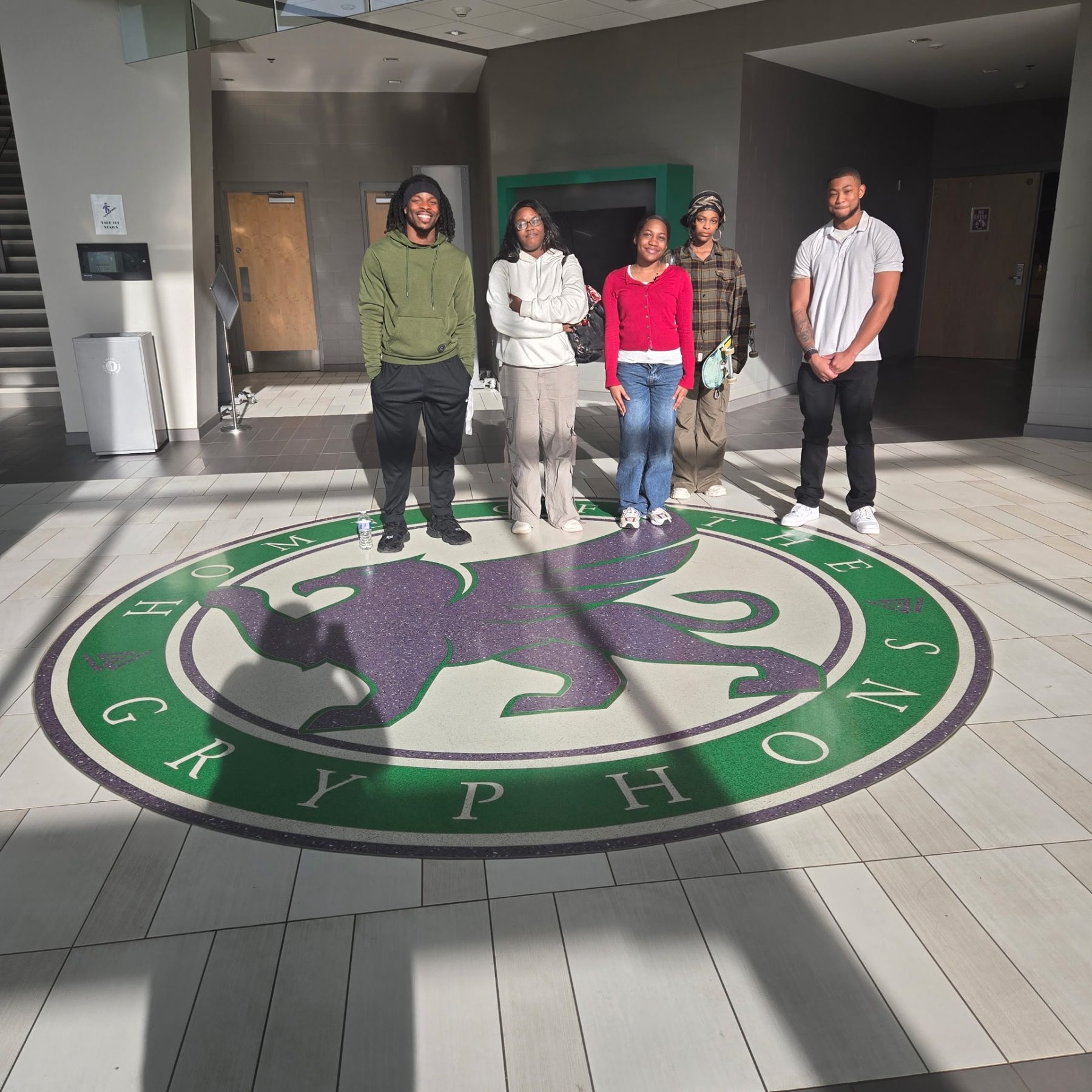
W.E.L.L. Squad · Southwest High
"Young people are already reaching out. We're teaching adults to reach back."
04
W.E.L.L. Squad · Service project
"Belonging is the #1 protective factor for teens."
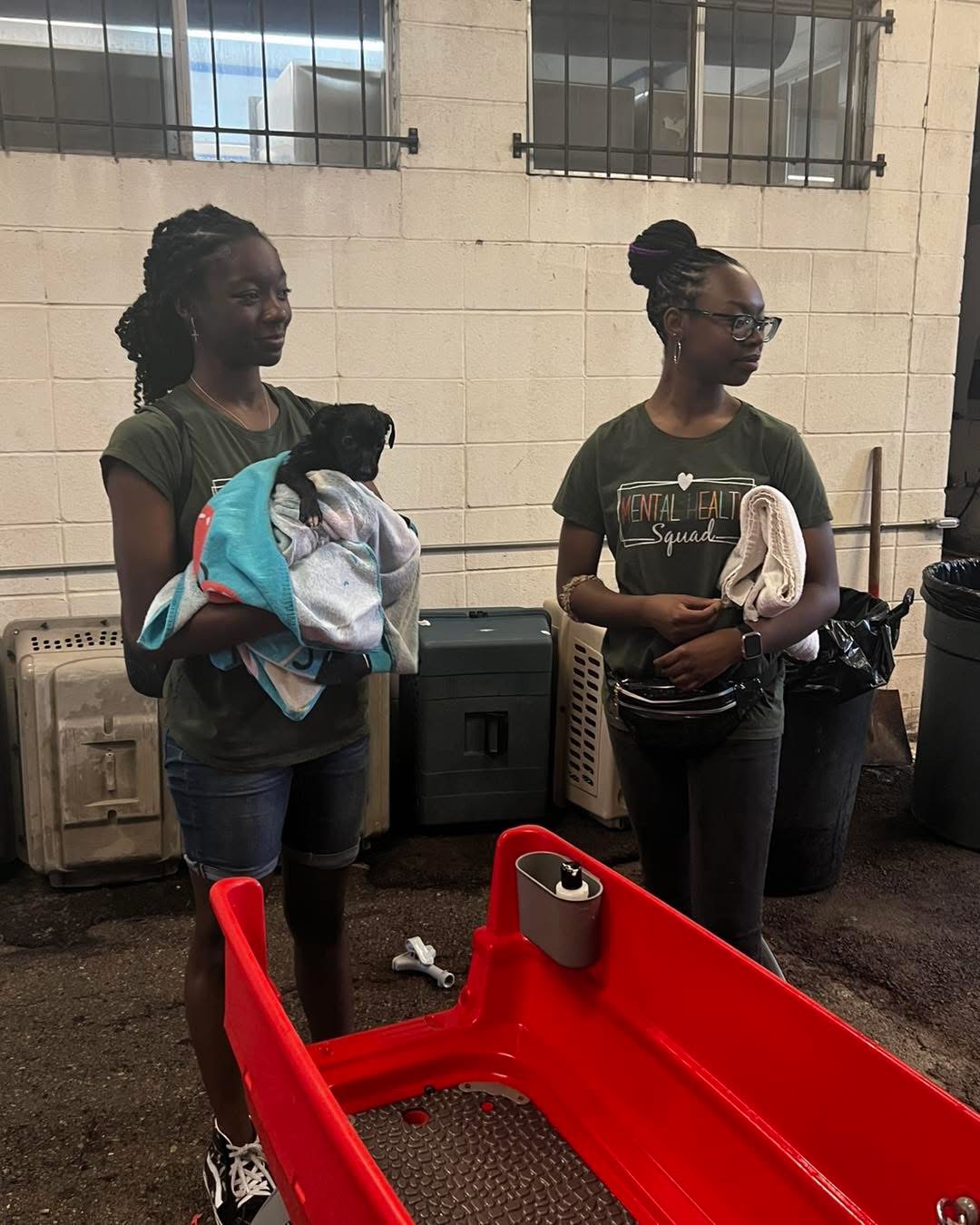
Meet the inaugural W.E.L.L. Squad — seven youth from Southwest High School now nationally-certified as Teen Mental Health First Aiders. Because the first person a teen tells is almost always another teen.
COHORT 01
7 / 7
CERTIFIED
SOUTHWEST HIGH SCHOOL · LITTLE ROCK
"The first responders our peers actually call."
NATIONALLY CERTIFIED
The W.E.L.L. Squad.
tMHFA teaches high schoolers a 5-step action plan to recognize a friend in crisis, respond without judgment, and connect them to a trusted adult. Research shows teens are .
Math: a full 7-teen cohort costs ~$1,400 to train, certify, and equip — roughly $200 per certified peer first responder. Tax-deductible through VPH Training Center, a 501(c)(3).
BELIEVE IN THE WORK?
Fund The Next Squad.
Every cohort of 7 youth costs roughly $1,400 to train, certify, and equip. Your gift puts another classroom of teens between a friend in crisis and the worst night of their life. VPH Training Center is a registered 501(c)(3) nonprofit — every dollar is tax-deductible.
Pick the version that fits your audience. One tap to copy — or push it straight to Facebook, X, LinkedIn, text, or email. Prevention spreads the same way trauma does: person to person.
FOR A NEIGHBOR30 SECONDS
"The short version."
Youth mental health is a public health crisis — and curfews alone won't fix it. The fix is upstream: trained adults in a kid's everyday life. Village Public Health is offering FREE Youth Mental Health First Aid this May ($170 value). Two virtual sessions. ALGEE 5-step plan. Real skills, real fast.
Nearly half of high schoolers report persistent sadness (CDC YRBS). The average kid waits 11 years from first symptom to first treatment (NAMI). Every $1 we spend upstream on prevention saves $2–$10 downstream (SAMHSA). The most cost-effective tool we have? A trained adult who can spot the signs and start the conversation. That's exactly what YMHFA teaches — and Village Public Health is making it free this May.
After the River Market shooting, Little Rock expanded its youth curfew to seven nights a week. A curfew is a partial solution — a fence around a wound. The real intervention is upstream: equip the trusted adults already in our kids' lives (teachers, coaches, pastors, aunties) with the 5-step ALGEE action plan from Youth Mental Health First Aid. Village Public Health is offering this $170 nationally-certified course FREE this May to grow the village our young people deserve.
Help us fill every seat. Pick a way to amplify — share a post, text a friend, tell your school, host a watch party.
01
TELL ONE PERSON
Text a parent, coach, or teacher who'd benefit. One personal text outperforms a thousand impressions.
SEND A TEXT
02
HOST A WATCH PARTY
Gather 5 staff members, your PTA, or your church group. Take YMHFA together — turn it into a shared mission.
BRING A GROUP
03
RESHARE THE POST
Reshare every Wednesday's On The Porch Live. Tag a parent in the comments who needs to hear it.
FOLLOW @VILLAGEPH
★ PRESS RELEASE ★
COPY · PASTE · SHARE
READY-TO-POST CAPTION
🧠 May is Mental Health Awareness Month. @VillagePublicHealth is offering FREE Youth Mental Health First Aid certification (a $170 value) on May 15 + May 23. If you work with kids ages 12–18, this is the training you didn't know you needed. Register: villagepublichealth.org/mental-health-month #YMHFA #MentalHealthAwarenessMonth #ElevatingPower